The Identity Archive
A personal exploration into queer identity, self-representation and the limits of labels
Why This Project
This was one of five options set by an External Projects brief, working directly with the Department of Parliamentary Archives at the Houses of Parliament, responding to archival material relating to LGBTQ+ history and presenting it through a contemporary lens. I chose it because I connected with something I’d never quite been able to put into words.
I have always felt that my own queer identity was never written by queer people themselves. I existed in a space I couldn’t control, yet was deeply ingrained with who I was. While designing, I tried to mirror that feeling — floating in a space just behind my own eyes, somewhere beyond a fixed, physical identity.
A History Not Written By Us
Early in my research, it became clear how much of queer history was never written by queer people themselves. Historian Clare Barlow put it simply: queer history is full of bonfires — referring to the diaries and records burned or destroyed by families ashamed of a queer relative. Even beyond that, the written historical record has always been shaped by people who often held the safety and means to record it in the first place; privilege, class and wealth determined whose story survived, which makes it especially hard to find evidence of anyone outside a certain status.
That made the brief feel worth pushing back on. I was being asked to respond to an archive built by an institution — Parliament — using material that, by its nature, could only ever tell part of the story. The Identity Archive became my attempt at an alternative: a space where queer people could record their own identity, in their own terms, rather than have it recorded for them.

The Problem
Queer identity is personal, fluid and unique to each individual, which makes it difficult to define through the language of contemporary labels. The labels amongst LGBTQIA+ alongside the flags that represent them — can miss the nuance of our identities. We can gather as a community around them, but each person still sits in their own unique space within these identities.
Research
I ran open discussion groups with people from the LGBTQ+ community — ten participants in total, including two active members of local queer activist groups. Rather than a structured interview, I led a set of key questions and let people share from their experience: how they defined their own gender or sexuality, and their relationship with existing labels and flags, and whether they felt current terminology actually represented them.
A few things came up again and again. People described feeling given labels rather than discovering them for themselves — a useful starting point, but one that leans into definitions that don’t sit well with how fluid identity actually is. Several people spoke about gender working better as a circle or spectrum than a straight line, and while flags could offer real comfort and a sense of belonging, many felt outdated, and could box people into stereotypes as easily as they offered belonging — I related to this myself: wearing a rainbow flag has led people to assume I’m a lesbian, which isn’t true, and that gap between what a symbol implies and what it actually means to the person wearing it became a real turning point in the project.
From Research to Design
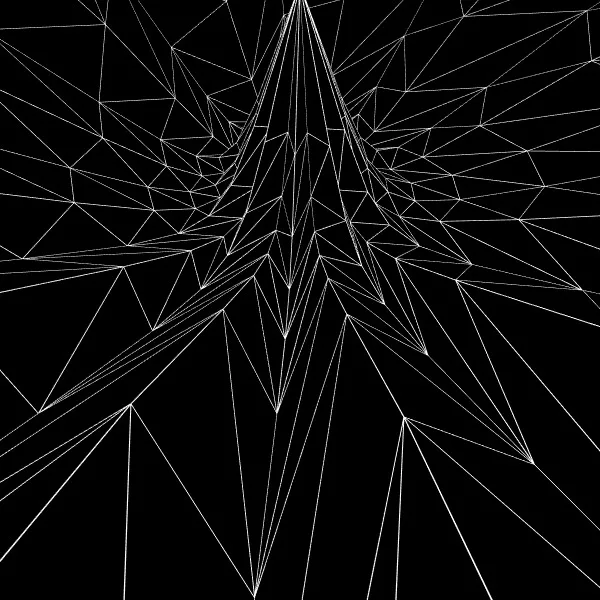
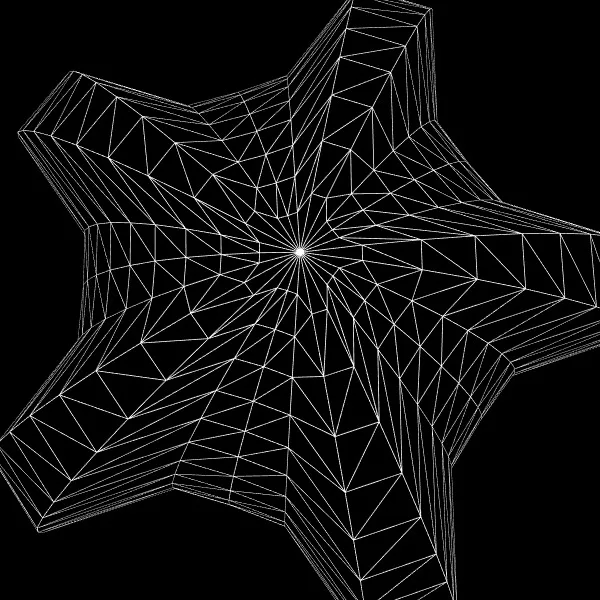
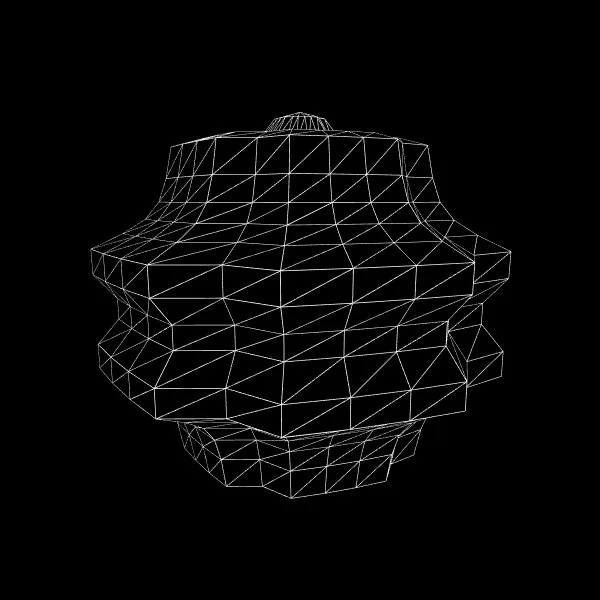
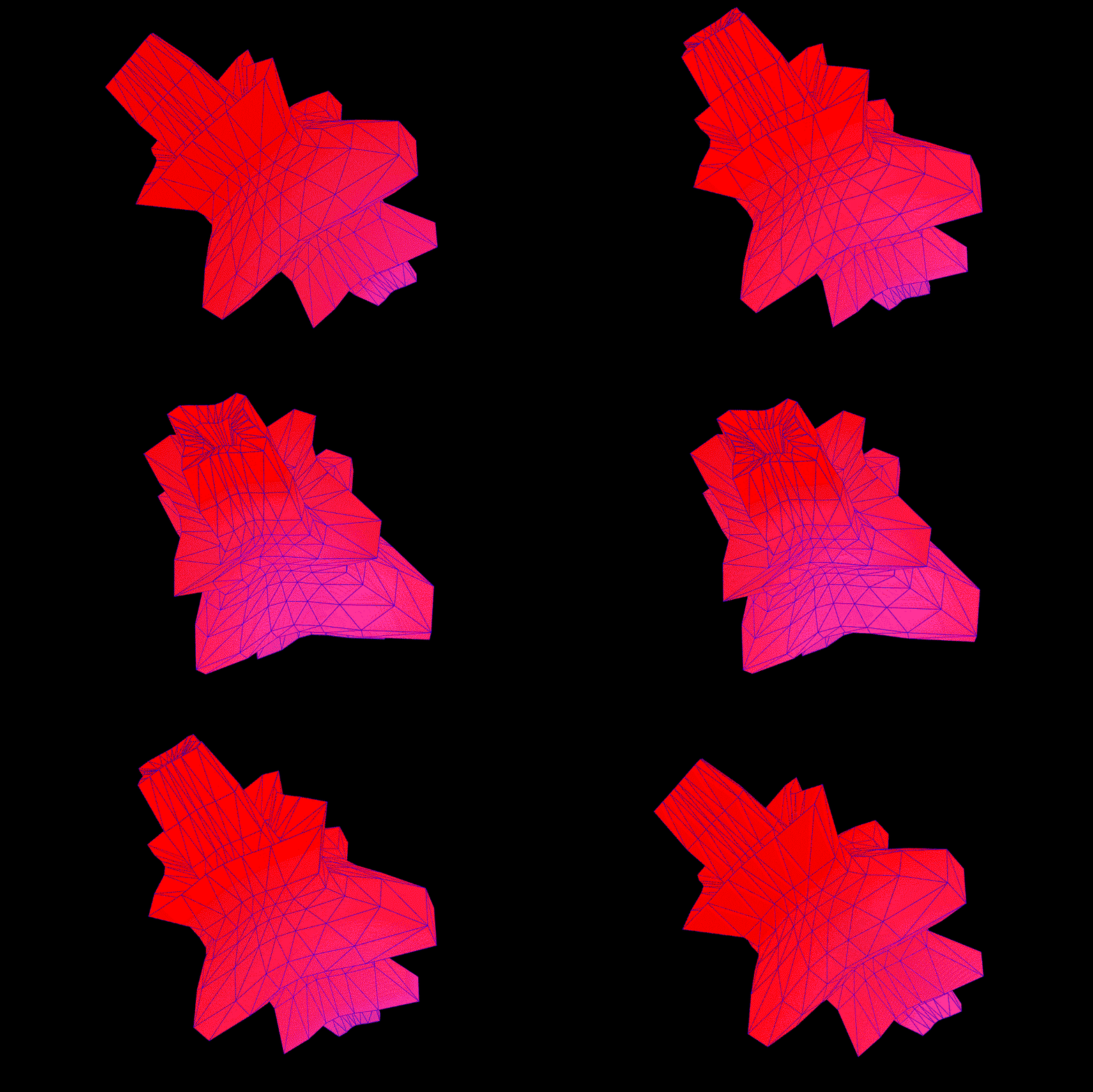
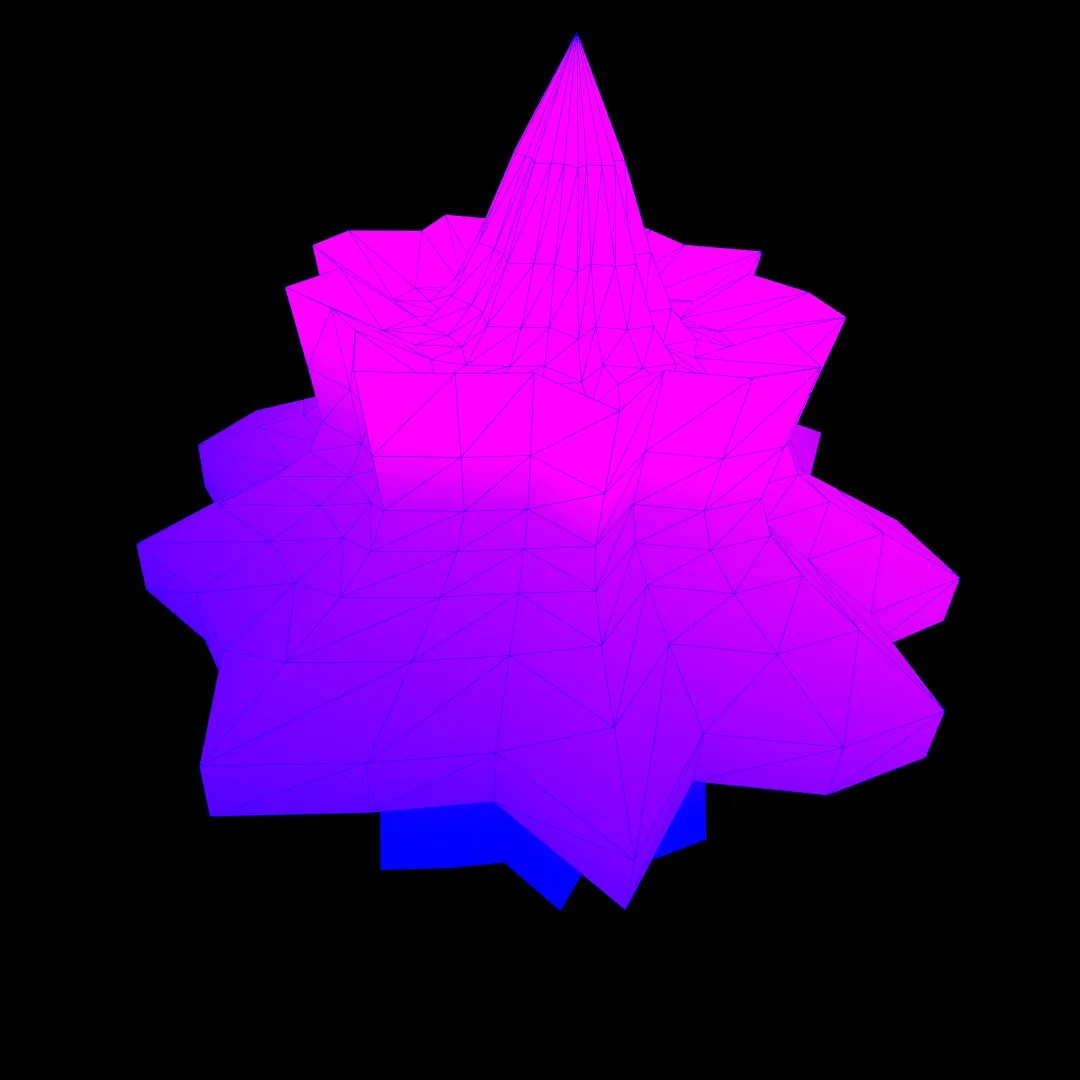
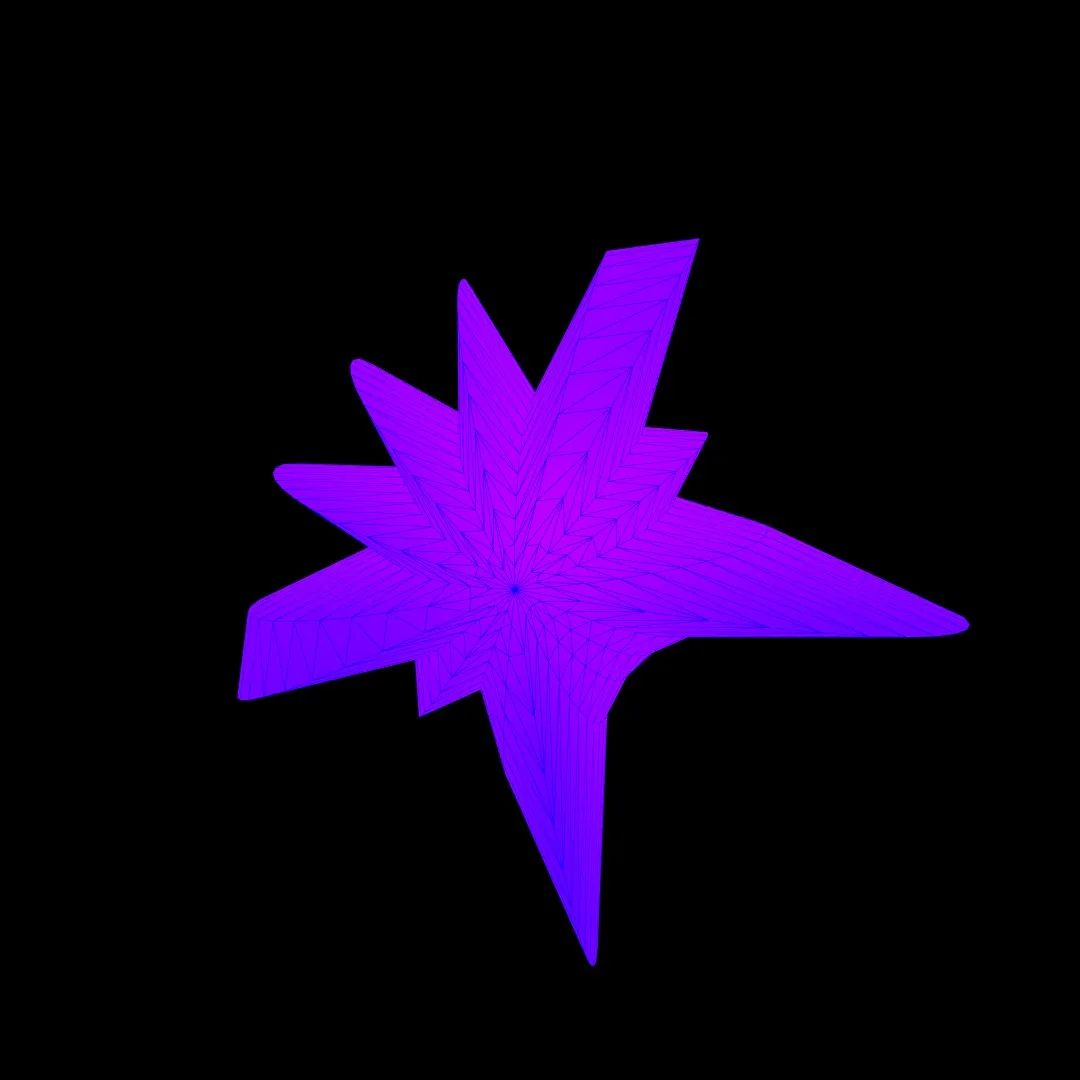
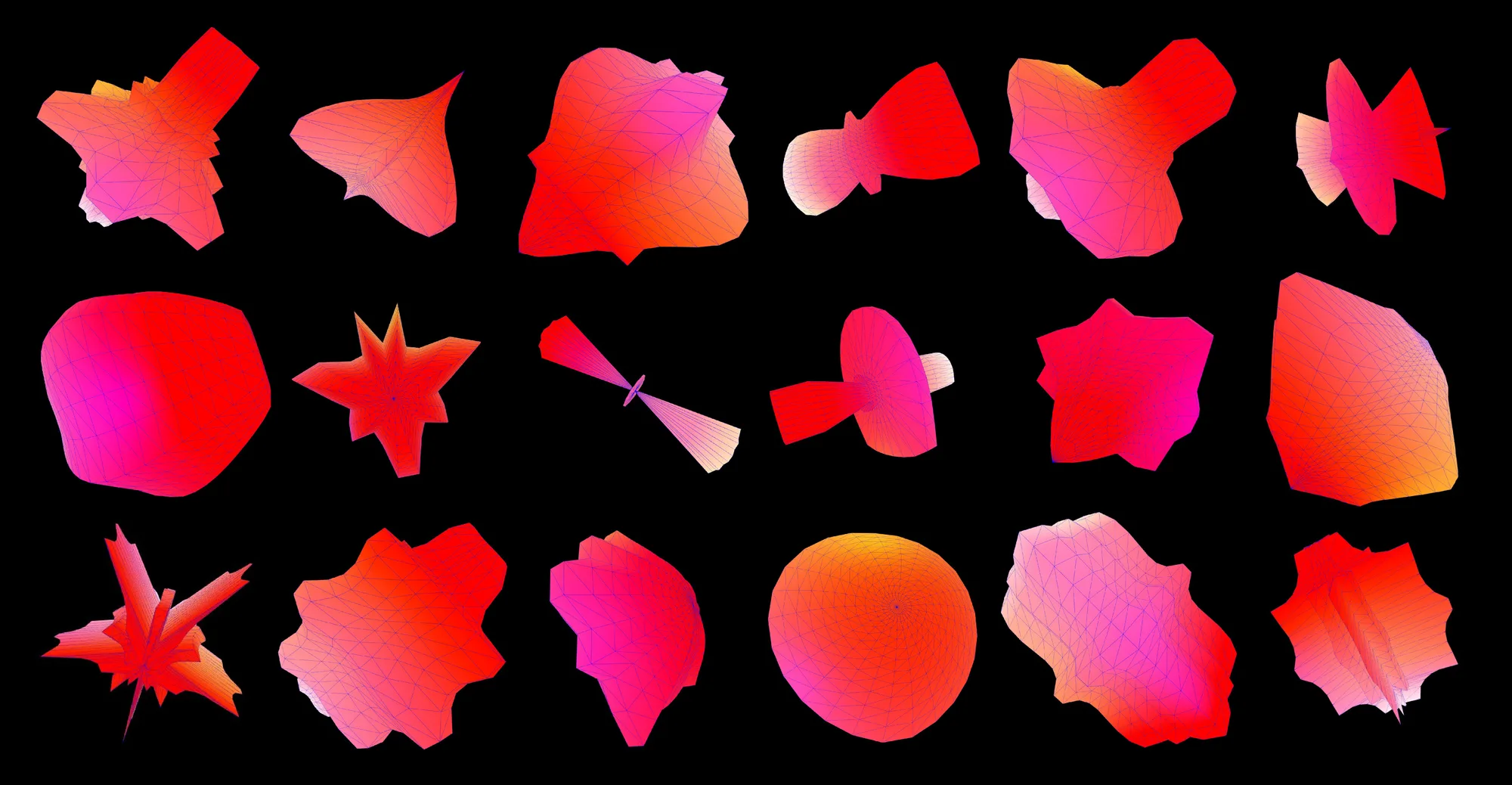
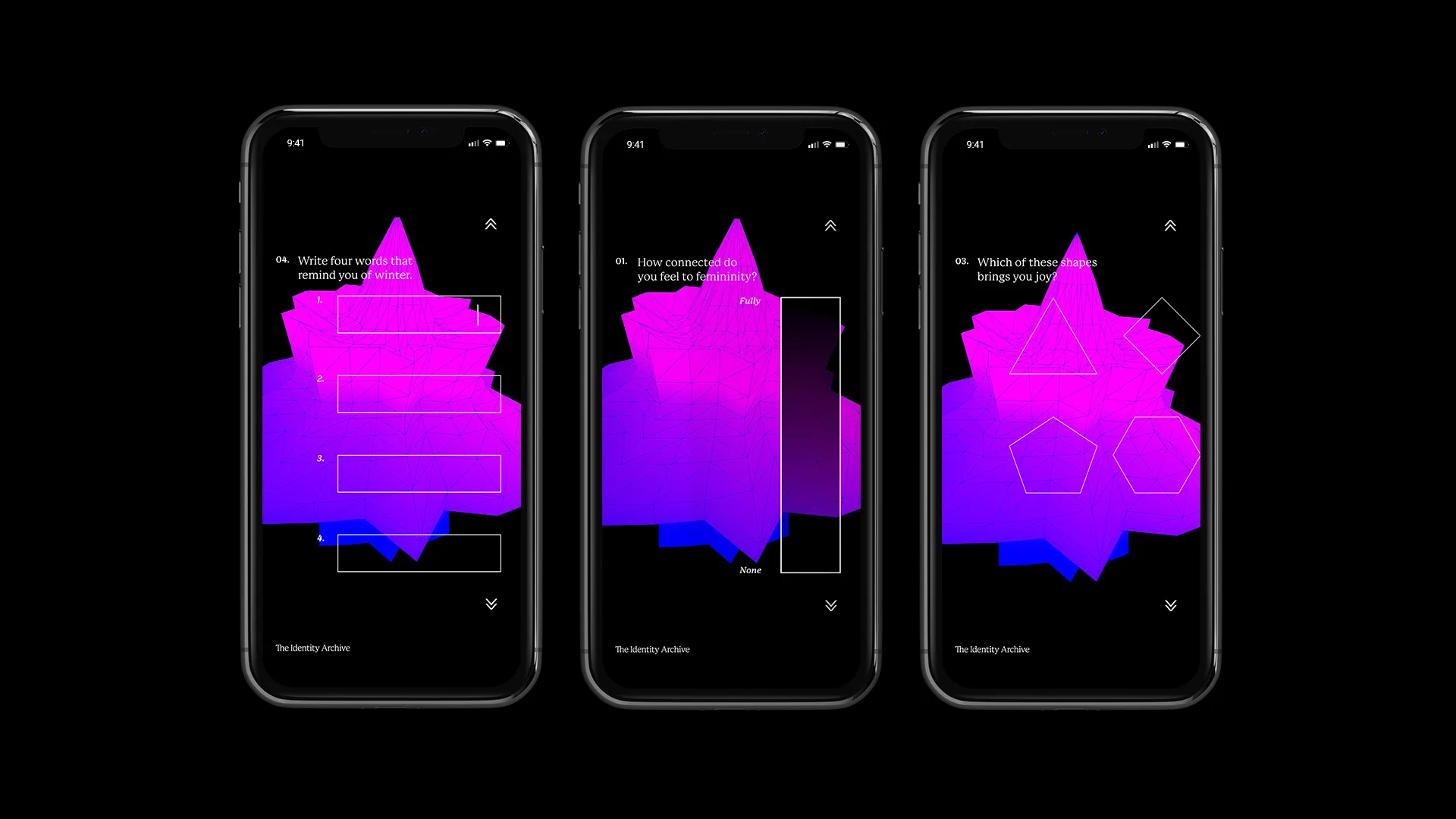
Two ideas came directly out of those conversations. Gender as a circle rather than a line led to the Supershapes — three-dimensional forms broken down from standard geometry into one of neither infinite abstract shapes, so that no two people are stereotyped identically. And the tension around flags — comforting, but rigid and easily stereotyped — led to the idea of individual, generative “digital flags,” unique to each person rather than shared and fixed.
Afterwards, in my sketchbook, I found myself asking bigger questions: what if being queer wasn’t tied to labels at all? What would happen if we stopped using them altogether? That’s where the idea of these digital flags properly took shape — not a replacement label, but something that could flex and change the way identity itself does.
The Product
The Identity Archive is built around two spaces. In the Creator, users move through a short, word-association identity quiz — questions like ‘which of these words are you drawn to?’ — offered without explanation, so the response comes from instinct rather than a fixed category. The answers generate a unique Supershape, built and coloured just for that person. In the Archive, those visuals sit alongside people’s contributions from the community, as a counterpoint to the more rigid history held in the Parliamentary Archives record.
The interface is built as a three-dimensional space, where users can rotate, morph and depend on their perspective — nothing about it sits still.
Where It Stands
The project was presented as part of a UK Parliament event marking LGBT+ History Month — one of four projects selected from the course cohort, each presented individually. It remains a prototype, and I’d love to take it further one day with more development support, deeper testing, and possibly a physical, 3D-printed element to the Supershapes.